

Study Booklet: The Complete Guide to Compact Study Guides for Student Success

A study booklet is a compact, multi-page guide that condenses essential course material into a portable, easy-to-review format. Think of an 8-page calculus formula review or a first-year biology concepts booklet that fits in your backpack. Unlike 600-page textbooks or single-sheet laminated study guides, a study booklet provides a framework to condense large amounts of material into clear outlines, summaries, or concept maps.
These tools became especially popular after 2020 with the rise of hybrid and online learning. Students needed focused resources they could quickly reference during video calls or asynchronous coursework. Study booklets fit perfectly alongside planners, flash cards, and digital apps as part of a broader toolkit for academic success. This guide will explore formats, use cases, and practical tips for making booklets work in your journey through high school, college, or professional exams.
What Is a Study Booklet?

A study booklet typically ranges from 6-12 pages in a saddle-stitched format, often sized at A5, 4″×6″ pocket format, or 8.5″×5.5″ for slightly larger content. Study booklets are ideal for tracking complex processes, defining technical terminology, and summarizing key events across subjects like Algebra I formulas, 2026 ACT English review, NCLEX-RN quick reference, or Italian grammar.
Common features include:
Laminated covers for durability
Color-coded sections by chapter or topic
Bullet-point summaries and quick-reference charts
Worked examples and diagrams
Single-topic booklets like “Seven Steps to Better Management of Your Study Time” focus on one skill, while multi-topic reference booklets combine math and stats formulas for broader coverage.
Why Study Booklets Boost Student Success
Many students struggle with time management, often citing a lack of time as a reason for missed assignments. Effective time management strategies can significantly enhance a student’s academic performance by allowing them to prioritize tasks and reduce procrastination. A well-designed study booklet helps by reducing overwhelm—instead of reviewing 600 pages, students focus only on exam-relevant topics.
Research indicates that study booklets can increase learner performance by up to 34 percentage points by turning passive reading into active engagement. Creating a study booklet involves shifting from passive review to active engagement with the material, which improves learning outcomes by enhancing comprehension and memory retention.
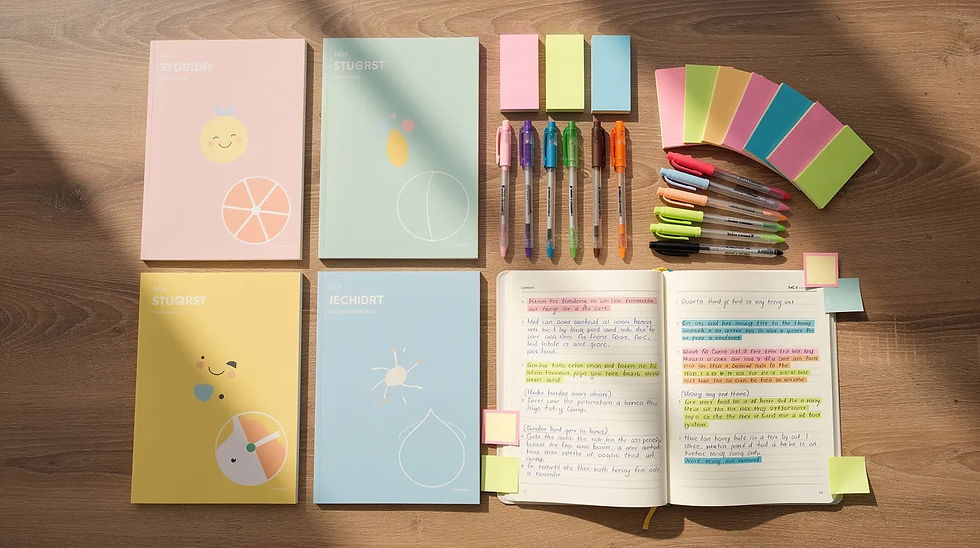
Study booklets can include spaced repetition schedules to combat the forgetting curve. The most effective study booklets challenge students to retrieve information rather than just store it. Visual structure helps the brain map information, making it easier to scan and remember. For visual learners, charts and color work well; verbal learners benefit from concise explanations; kinesthetic learners engage through flipping, annotating, and highlighting.
Core Types of Study Booklets
Exam Prep Study Booklets
Exam-focused booklets for SAT, ACT, CLEP, and NCLEX provide concentrated review material. The Official ACT Prep Guide includes four authentic, full-length ACT tests to provide maximum practice before the test date. These booklets typically contain practice questions, answer explanations, timing strategies, and score-boosting tips.
Course-Specific Study Booklets
Comprehensive study guides can cover a wide range of subjects, including academic topics like mathematics, science, and literature. Effective study guides often include features such as chapter summaries, quizzes, character analysis, and discussion questions to enhance understanding and retention of material. Study guides can help students understand key themes, connect with characters, and engage confidently with any book on their reading list.
Skill and Strategy Study Booklets
A 7-step system for managing study time can help students organize their schedules to ensure they allocate sufficient time for academic tasks and responsibilities. The Cornell Notetaking System is a widely recommended method for organizing notes, particularly beneficial for college students.
A scaffolded or guided notes approach in study booklets engages students in active note-taking while ensuring core knowledge is recorded. Effective notetaking systems can enhance memory retention and understanding of complex information, making them essential for academic success.
Online and Hybrid Learning Study Booklets
Booklets like “Online Student Success” address email etiquette with professors, video-conference participation, managing discussion boards, and using digital calendars. These support online-only students in setting up weekly routines and addressing screen fatigue.
How to Use a Study Booklet Effectively
A systematic and time-efficient way to collect information and write research papers is essential for college students, as it helps them organize their thoughts and resources effectively. Utilizing structured formats, such as the Cornell method, can help students systematically capture and review information, improving their study efficiency.
Practical usage:
10-minute pre-lecture skim of relevant pages
15-minute nightly review of the day’s topics
60-minute weekly deep dive before quizzes

Effective research writing involves articulating and analyzing evidence and insights to inspire thoughtful essays and discussions. Utilizing checklists and resources can significantly enhance the research writing process, making it easier for students to manage their assignments and deadlines.
Design Elements of an Effective Study Booklet
Not all study guides are created equal. Laminated study guides are popular for their durability and ease of use, providing quick reference information in a compact format that is suitable for various subjects. Effective study booklets include summaries, key terms, visual aids, and practice materials.
Key design elements:
Color-coding by chapter (blue for definitions, green for examples)
Icons for tips and warnings
Readable fonts with adequate spacing
Charts, graphs, timelines, and concept maps
Comprehensive study guides often include features like quizzes, character analysis, and discussion questions to enhance understanding and retention.
Choosing the Right Study Booklet
Match booklets to your course and exam goals by identifying weak areas first. Research indicates that students who create their own study booklets often perform better than those who use pre-made ones, as the act of organizing the material helps solidify it in their memory. Study booklets can be created by teachers or students to synthesize learning.
Balance print booklets with digital tools—use physical booklets for daily review and companion apps for timed practice tests. The experience of annotation and highlighting on paper supports focus, while digital tools offer adaptive quizzes and searchable content.
FAQs About Study Booklets
How many study booklets should a student use each semester?
A realistic range is 2-6 booklets per semester. One exam-prep booklet plus one content booklet per challenging course usually provides adequate support without overwhelming students. Reassess at midterm whether additional targeted booklets are needed for first-year chemistry or introductory psychology.
Can a study booklet replace a full textbook?
Booklets are supplements, not replacements. They condense and organize key points but don’t include every reading or assignment detail. A calculus booklet summarizes core formulas but won’t show every proof from your main text. Follow instructor guidance about required materials.
What is the best way to take notes alongside a study booklet?
Write clarifications in margins and use sticky notes for exam reminders. Highlight only the most important 10-20 percent of each page to avoid over-marking. Create a separate notebook page that mirrors booklet sections for deeper practice problems.
Wrapping Up...
Study booklets provide a powerful, portable solution for students seeking to improve grades and build confidence across exams, courses, and learning formats. By condensing complex material into focused, scannable pages, these tools reduce overwhelm and support active engagement with content. When combined with solid study habits, feedback from educators, and consistent weekly use, booklets become an essential part of any student success toolkit.
Start with one or two carefully chosen booklets for your most challenging subjects or upcoming exams. Whether you’re preparing for the SAT, navigating first-year college courses, or mastering clinical skills, a well-designed study booklet can set you ready for success in the 2024-2026 academic years and beyond.


