

Science-Backed Study Methods: How to Study Smarter in 2026
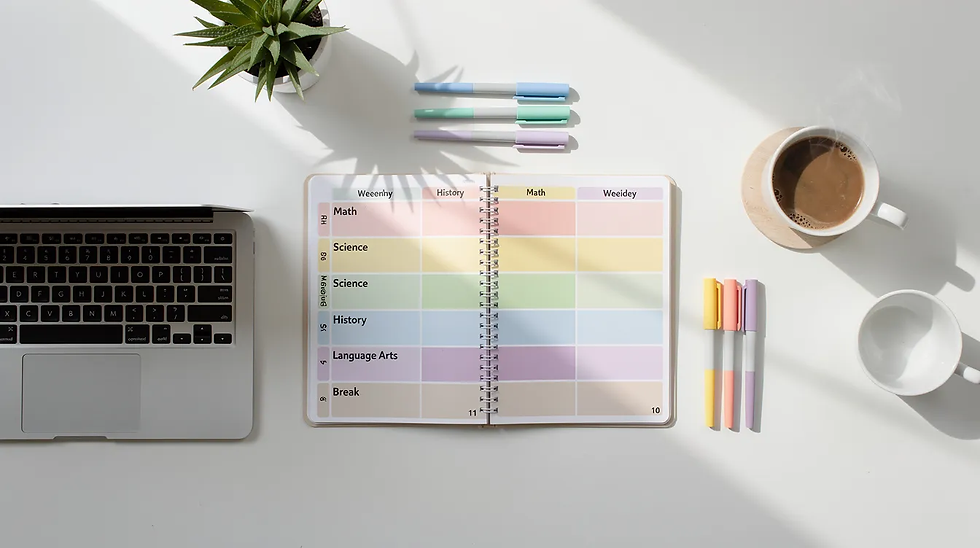
Modern research from 2010–2025 confirms what top students have discovered: technique beats raw hours every time. Yet many students still rely on passive strategies like highlighting and re-reading, even though studies from Washington University in St. Louis and UCLA show that prioritizing active learning is far more effective than passive learning like highlighting or re-reading.
Whether you’re preparing for a May 2026 final exam, pursuing professional certifications, or completing online courses, better study methods make a measurable difference. This article focuses on practical, science-backed study strategies: retrieval practice, spaced practice, mind mapping, the Feynman Technique, and how to build them into real study sessions.
You’ll find concrete steps, examples, and visuals to help you study smarter, not just harder.
Designing Effective Study Sessions
A study session is a focused 30–90 minute block with a clear goal and specific material. Planning these sessions beats ad-hoc cramming because it keeps your brain engaged and your time efficient.
Set 1–2 concrete objectives per session:
“Solve 10 sample problems on derivatives”
“Be able to explain the Krebs cycle out loud”
“Recall all key points from Chapter 5 without notes”
The Pomodoro Technique consists of studying in 25-minute intervals followed by short breaks to maintain focus. Research on ultradian rhythms shows that 90-minute focus cycles work well, but error rates spike after extended periods. Use short, intense blocks of 25–50 minutes followed by regular breaks of 5–10 minutes.
For a typical semester, schedule 3–4 study sessions per subject before a midterm rather than one marathon day. Later sections will show which study techniques to plug into these planned sessions.
Creating a Study Environment That Actually Helps You Focus

Environment—light, noise, posture, tech—often determines how long and how well you can study effectively. Creating a comfortable study space that is free from distractions can significantly enhance focus and productivity.
Choose your space wisely:
Pick a desk, library table, or quiet café
Avoid beds or couches where you usually relax or sleep
Ensure good lighting and comfortable seating
Eliminate distractions:
Silence your phone or use “Do Not Disturb”
Use website blockers during focused study sessions
Keep only necessary materials on your desk
Listening to soft background sounds or music, such as lo-fi tracks, can help some individuals concentrate better while studying, especially when they combine this with other strategies for staying focused while studying in noisy environments. However, lyrics-heavy music or talk radio usually harms concentration.
Here’s a tip many students overlook: changing study locations frequently can improve memory retention. Studying the same material in different environments helps reinforce learning. Rotate between 2–3 locations—your home desk, campus or local library, or a coffee shop—to reduce monotony and improve recall via varied contexts.
Core Study Methods Backed by Learning Science
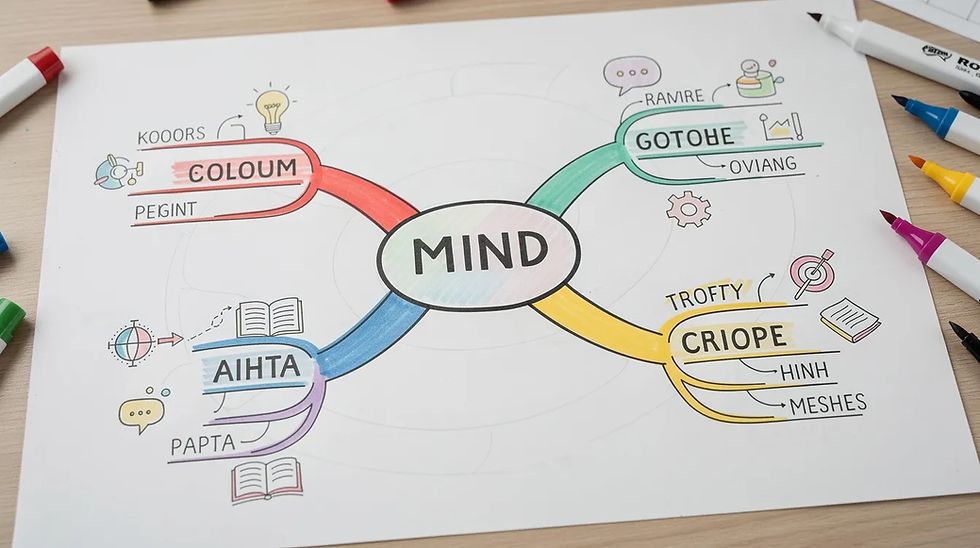
These are high-impact “core” study strategies to feature in most sessions. The main methods covered below include retrieval practice, spaced practice, the Feynman Technique, mind mapping, and worked sample problems.
Effective studying involves moving from passive review to active engagement with the material. Active studying involves engaging with the material through methods such as summarizing, teaching, and creating connections, rather than just re-reading or highlighting texts. Combining multiple learning styles can enhance overall learning effectiveness compared to using a single style.
Mix 2–3 of these per week instead of relying on only one technique like flashcards to build a toolkit of proven study techniques to boost exam scores.
Retrieval Practice: Training Your Brain to Remember on Command
Retrieval practice means actively pulling information from memory through self testing instead of passively rereading notes. A landmark 2006 study by Roediger and Karpicke showed that retrieval practice led to 80% retention after one week compared to just 34% for repeated studying.
Simple ways to do retrieval practice:
Cover your notes and write everything you remember on a blank page
Use flashcards or apps with spaced repetition features
Answer end-of-chapter questions from memory before checking answers
Self-testing is an active study strategy that improves the intensity of studying and efficiency of learning. Quizzing yourself is one of the most effective methods of memory retention, as it simulates the exam experience and reinforces learning.
Turn a 45-minute study session into retrieval rounds: 10 minutes recall, 5 minutes check, repeat 3 times. Engaging in self-testing can help identify areas where your knowledge has gaps, allowing you to focus study efforts on topics that need improvement.
Combine retrieval practice with a study group by quizzing each other without notes once or twice per week.
Spaced Practice: Stop Cramming, Start Scheduling
Spaced practice, also known as distributed practice, means revisiting material on multiple days instead of one long cram before an exam. It’s one of the most effective ways to study complex material.
Spaced repetition involves reviewing material at increasing intervals to combat the forgetting curve. Ebbinghaus’s research showed that without reinforcement, people forget about 50% of newly learned information within an hour and up to 90% within a week.
Example spacing pattern: | Day | Action | |—–|——–| | Day 1 | Learn new material | | Day 2 | First recall session | | Day 4 | Second recall | | Day 7 | Third recall | | Day 14 | Final review |
The struggle to retrieve information, known as “desirable difficulty,” strengthens long term memory. Research indicates that spacing out study sessions over several short periods leads to deeper learning and better long-term retention compared to longer, less frequent sessions.
A 2008 study in Applied Cognitive Psychology reported 200% better retention versus massed practice (cramming). Implementing spaced practice can help prevent procrastination by allowing you to tackle material in smaller, more manageable chunks.
The Feynman Technique: Learn by Explaining Simply
The Feynman Technique involves explaining a concept in simple terms to enhance understanding and retention, as teaching others can clarify your own knowledge. Named after physicist Richard Feynman, this four-step method works especially well for new concepts.
The four steps:
Select a concept
Explain it in plain language (as if to a 10-year-old)
Identify gaps when you stumble
Refine and simplify with analogies
The Feynman Technique encourages students to explain concepts in their own words, which helps deepen understanding and retention of the material.
Example: Explaining photosynthesis—“Plants turn sunlight into food using green chlorophyll like solar panels. Water splits for hydrogen, CO2 adds carbon, and oxygen comes out as a byproduct.”
Use a blank sheet or whiteboard and speak aloud. Only check notes when stuck. This method pairs excellently with study groups where each person teaches one subtopic to the others. Barbara Oakley’s “A Mind for Numbers” praises this technique for exposing illusions of competence.
Mind Mapping and Concept Mapping: Seeing Connections at a Glance
Mind mapping is an effective technique for visually organizing information, allowing learners to see the relationships between concepts and ideas. Place a central idea in the middle of a page and branch out related subtopics and key points.
Using techniques like mind mapping allows students to visually organize information, which can enhance comprehension and recall by illustrating the relationships between concepts. A 2014 Medical Education review showed 10–15% recall gains over linear notes.
Creating effective maps:
Keep maps uncluttered with short keywords on branches
Use arrows for cause-effect relationships
Add occasional icons or small drawings
Limit to 7±2 branches per Buzan’s rule
Visual aids, such as diagrams and mind maps, enhance memory retention by connecting concepts visually. Create a concept map at the end of a chapter or week, then use it during spaced review to test recall. Reorganizing notes by combining materials from different sources can help you make connections between topics and identify gaps in your own understanding.
Sample Problems and Worked Examples: Practice Like the Test
In math, physics, economics, and statistics, solving sample problems is one of the best study methods. Cognitive load theory from John Sweller advises studying solved problems before attempting unsolved ones.
How to use worked examples:
Study a fully solved problem step by step
Note the reasoning: “Chain rule applies because outer function is sin(x²), inner derivative is 2x”
Immediately attempt a similar problem without looking
Write out each step and briefly explain the reasoning
Interleaving involves mixing different subjects within a single study session to improve understanding and retention. A 2020 study found this approach boosts problem-solving transfer by 43%.
Collect problems from textbooks, lecture slides, and past exams. Organize them by topic for focused practice sessions. Time some practice tests under exam conditions in the week leading up to your big test.
Building Powerful Study Habits for the Whole Semester

Effective studying is more about steady routines than last-minute heroics. Strong study habits form the foundation for long-term success.
Create a weekly pattern:
Short daily reviews (20–30 minutes per class)
Longer weekend sessions for tougher topics
Regular check-ins on progress
Set realistic targets—30–60 minutes per course per day during exam season—instead of vague intentions to “study more.” Track which study skills work best with a simple log noting what you did and how confident you felt afterward.
The SQ3R method (Survey, Question, Read, Recite, Review) helps students identify key facts and retain information more effectively. Similarly, the PQ4R method (Preview, Question, Read, Reflect, Recite, Review) promotes active engagement with the material.
Habits like consistent start times, the same pre-study routine, and clear stopping points reduce procrastination and stress. Your study time becomes automatic rather than a daily negotiation.
Using Study Groups Without Wasting Time
A well-run study group offers accountability, feedback, and different perspectives on tough concepts. However, unstructured groups often become social hour.
Ideal setup:
3–5 people
Meet once or twice per week
Sessions of 60–90 minutes
Simple structure: | Time | Activity | |——|———-| | 10 min | Brief agenda and individual retrieval quiz | | 20 min | Teaching segments (each person explains one concept) | | 30 min | Group work on sample problems |
Rotate roles—timekeeper, question-writer, and “teacher”—to ensure everyone participates actively. This helps you teach others and formulate questions that deepen learning.
Common pitfalls to avoid:
Off-topic chatting
Turning sessions into complaint hours
Relying on one class star to explain everything
If your group consistently wastes study time, adjust the format or return to individual sessions.
Energy Management: Breaks, Exercise, Food, and Sleep
Your brain is part of your body, so physical habits directly affect how you study effectively. Taking regular breaks during study sessions is essential for maintaining mental health and enhancing productivity.
Breaks: After 25–50 minutes of focus, take 5–10 minutes off. This allows your brain to rest and recharge, leading to better focus when returning to study.
Exercise: A 15–30 minute walk or light cardio increases BDNF for neuroplasticity, boosting retention 15–20% according to Harvard research. Even brief micro-exercises between sessions help.
Snacks: Choose brain-friendly options:
Nuts and seeds
Fresh fruit
Yogurt
Water and tea
Avoid heavy, sugary, or highly processed foods that cause crashes.
Sleep: Getting enough sleep (7–9 hours) is critical, especially the week before exams. Sleep consolidates memories via hippocampal replay. Review key material shortly before bedtime—not all night—to leverage this process for 20–30% retention gains.
Digital Tools and Low-Tech Tactics to Study Smarter
Both apps and analog tools support effective studying when used deliberately. A 2019 study found that using color-coded notes can improve memory performance, as warm colors create a positive learning environment.
Recommended mix:
One digital calendar for planning sessions
One flashcard system with spaced repetition for definitions, formulas, and vocabulary
Paper for mind maps and Feynman explanations
Note-taking notes by hand yields 24% better recall than typing, per Mueller & Oppenheimer’s research, primarily because handwriting forces you to process and summarize rather than transcribe verbatim.
Use distraction-blocking apps during focused sessions. Resources like Freedom or browser extensions prevent social media interruptions without requiring willpower. Dual coding—combining words with visuals—strengthens retention. If you’re a visual learner, sketch diagrams alongside written notes for better processing.
Common Study Mistakes to Avoid
Passive strategies don’t work alone: Re reading and reviewing highlighted text creates fluency illusion—a 2009 study found 50% overconfidence in students using these methods. Replace them with retrieval practice and practice tests.
Multitasking kills learning: Phones reduce focus by 40% according to 2023 Stanford data. Task-switching costs an average of 23 minutes recovery time per Microsoft research. Eliminate distractions completely during focused blocks.
Cramming backfires: Last-minute marathons yield 20–30% lower retention after a week. A significant amount of what you cram will disappear before you need it.
Avoiding hard topics: Students often study what feels easy instead of scheduling extra sessions for harder material. Reflect on where you’re weakest and allocate more time there.
Practical 7-Day Study Plan Template Before a Major Exam
Here’s how to apply these study methods in the week before a big test:
Day | Focus | Methods |
Day 1 | Review all material | Retrieval practice + create mind maps |
Day 2 | Tackle hardest topics | Feynman Technique + sample problems |
Day 3 | Cover weak areas | Flashcards + explain concepts out loud |
Day 4 | Mixed review | Interleaved practice tests |
Day 5 | Full mock exam | Timed conditions, simulate the test |
Day 6 | Review mistakes | Analyze errors, fill knowledge gaps |
Day 7 | Light review | Quick recall of key points, early bedtime |
Scale this plan based on course difficulty. With multiple exams, alternate subjects within each day using interleaving. |
Critical: Include regular breaks, a walk or light exercise, and protect your sleep. Sacrificing rest for extra late-night hours actually hurts performance.
Frequently Asked Questions (FAQs)
How can I study effectively if I only have 1–2 hours per day?
Use two focused 25–30 minute blocks featuring retrieval practice and sample problems rather than passive reading. Prioritize the hardest topics first and use distributed practice over several days. Reserve the last 10 minutes for a quick self-quiz. Even short daily sessions across a week produce better results than a single weekend marathon because your brains store information more durably with repeated activation.
What is the best way to remember formulas and definitions long term?
Combine flashcards with spaced repetition, writing formulas from memory on a blank page before checking. Create small application problems for each formula so you remember how and when to use it. Run quick 5–10 minute review sessions at the start or end of your regular learning process for several weeks. This approach helps you retain information far longer than one-time memorization.
How do I avoid getting distracted by my phone and social media while studying?
Turn on airplane mode, leave your phone in another room, or use app blockers during study blocks. Plan specific break times when checking messages is allowed so you don’t feel deprived. Building this habit takes a week or two but quickly results in deeper focus and shorter total study time. The key is making distraction physically inconvenient, not just relying on willpower.
Should I study alone or in a study group for difficult subjects?
A mix works best. Study alone first to attempt retrieval practice and sample problems, building your own understanding before meeting others. Use group time to teach concepts, answer questions from peers, and compare problem-solving approaches. If a group is consistently off-task, adjust the format or return to individual sessions. The mini lesson you give others often clarifies your own knowledge more than any amount of solo review.
How far in advance should I start using these study methods before an exam?
Begin light spaced practice at least two weeks before a major exam. Even starting one week before helps if sessions are focused and scheduled daily. The ideal approach is using these effective study strategies from the first week of your course, so exam prep becomes review rather than first-time learning. This prevents the stress and fragile memories that come from cramming and gives you more tips on what actually works for your learning style.
Conclusion: Turn Study Methods into a Sustainable System
Effective studying comes from active methods, spacing, and good study habits—not just more hours. Techniques like retrieval practice, Feynman explanations, mind mapping, and sample problems can be combined within short, well-planned study sessions to dramatically improve recall and understanding.
Pick one or two methods to try in your next study block today, then expand over the coming weeks. The key is consistency: small improvements in how you study each week add up to significant gains by the time finals or certification exams arrive. Whether you’re a student preparing for one class or tackling multiple exams, these science-backed approaches help you study smarter and retain what you learn.
