

What to Do Before an Exam: Step-By-Step Guide for a Calm, Successful Test Day

What you do in the last 12-24 hours before an exam can dramatically affect your performance. Starting your revision early gives you a huge advantage for your exam preparations, but even the best study time can be undermined by a chaotic morning or a sleepless night. This guide focuses on practical, science-backed steps to reduce stress, protect sleep, and sharpen focus for exam day.
Whether you’re facing high-stakes final exams in May or December, standardized tests like the SAT or ACT, or a university midterm scheduled at 8:30 a.m., the strategies here apply. We’ll cover planning the night before, morning routines, mental warm-ups, and a calm arrival strategy. Perfect preparation isn’t required—but a solid routine can make test taking feel far less stressful and help you feel confident walking into that exam room.
Key Takeaways
Plan your exam day the night before by confirming your test location, setting multiple alarms, and creating a simple schedule from bedtime to arrival.
Protect a good night’s sleep of 7-9 hours, as it consolidates memory and sharpens focus far better than last-minute cramming.
Organize all materials and clothing by 9:00 p.m. to reduce stress and ensure a smoother morning.
Eat a healthy breakfast with complex carbohydrates, protein, and omega-3s while staying hydrated to maintain steady energy during the exam.
Use simple breathing exercises and positive affirmations to manage test anxiety and arrive at the testing center feeling calm and confident.
Plan Your Exam Day the Night Before
Planning between 7:00-10:00 p.m. the night before reduces morning chaos and test anxiety significantly. Creating a revision schedule facilitates organized study and ensures that time is allocated to each subject appropriately—this same principle applies to planning your exam day logistics.

Create a simple schedule that includes:
When to stop studying (around 9:30 p.m.)
Target bedtime (approximately 10:30 p.m.)
Wake-up time (7-8 hours before your exam)
Commute time with a 15-30 minute buffer
Double check your exam location, room number, and building, especially on large campuses where rooms change during final exams. Understanding the format of the exam, such as knowing if it is multiple-choice or essay-based, helps tailor preparation strategies and reduces surprises.
Set two alarms—one on your phone at full volume and a backup alarm clock. Plan to arrive 15-30 minutes before exam day check-in to handle any unexpected delays. This simple planning frees mental bandwidth so you can focus on recall rather than logistics.
Organize Materials and Outfit Before Bed
Having everything packed by around 9:00 p.m. helps you relax and fall asleep faster. A well-organized study space is crucial for effective exam preparation, and the same logic applies to your exam kit. Preparing your materials the night before an exam can help reduce stress and ensure a smoother morning, allowing you to focus on the test itself.
Gather these specific materials:
2-3 sharpened No. 2 pencils or pens
Pink pearl eraser (minimal residue)
Calculator with fresh or tested batteries
Student ID and admission ticket for standardized tests
Approved formula sheets or notes
Analog watch (if digital devices are banned)
Clear 500-750 ml water bottle
It’s important to gather all necessary materials, such as pencils, erasers, and your student ID, the night before to avoid any last-minute rush on exam day. Pack everything in a transparent pouch for easy proctor checks.
Choose comfortable, layered clothing: a breathable T-shirt, zip-up hoodie or cardigan, and non-restrictive joggers or chinos suitable for air-conditioned rooms. Pack a healthy, non-messy snack like a banana, granola bar, or handful of almonds so you don’t rely on vending machines on test day.
Prioritize a Good Night’s Sleep
A good night’s sleep of 7-9 hours directly impacts memory, focus, and reduced test anxiety. Prioritizing sleep is essential for memory consolidation and cognitive performance during exams. For an 8:30 a.m. exam, aim for bedtime by 10:30 p.m. to allow full 90-minute sleep cycles.
Healthcare professionals recommend at least 8 hours of sleep, especially before exams. Getting enough sleep is crucial for mental health and academic performance. Avoid the all nighter temptation—sleep consolidates learning through hippocampal replay processes far better than last-minute rereading. Cramming past midnight actually erodes retention rather than building it.
Wind-down tips for better sleep:
Shut screens 60 minutes before bed (blue light suppresses melatonin)
Dim lights and drink chamomile tea if desired
Do some light reading of a non-exam-related book for 10-15 minutes
Set bedroom temperature to around 65°F (18°C)
Lay out clothes so the morning feels simple
Even if you feel under-prepared, protecting enough sleep will help you use whatever knowledge you already have more effectively on exam day.
Eat and Hydrate Smartly on Exam Morning
A healthy breakfast and staying hydrated are as important for test taking as they are for athletes before a game. Eating a healthy breakfast is essential before a long test, as it provides necessary vitamins and keeps you energized and full.
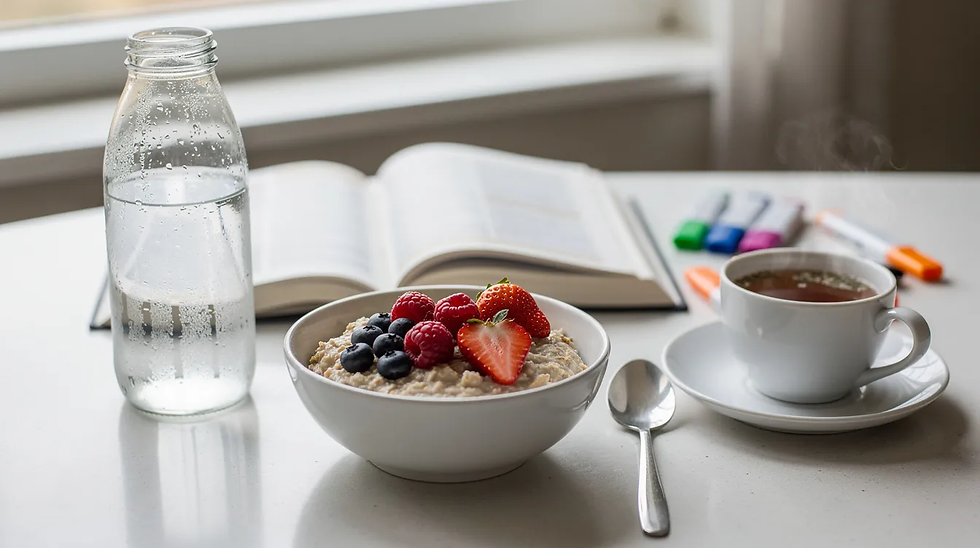
Foods rich in omega-3s, antioxidants, and complex carbohydrates can enhance concentration and memory, making them ideal for exam nutrition. Try these balanced
breakfast ideas:
Oatmeal with berries and a tablespoon of almonds (omega-3s and complex carbs)
Whole-grain toast with eggs (protein and choline for brain function)
Yogurt with granola and fresh fruit
Avoid heavy, greasy fast food and huge sugary drinks that cause insulin crashes mid-exam. Healthy habits such as regular exercise and a balanced diet support cognitive function and overall exam readiness.
Stay hydrated by drinking a glass of water soon after waking. Staying hydrated by drinking water regularly is crucial for maintaining energy levels and focus during exams. Carry your 500-750 ml refillable bottle to sip during allowed breaks.
Limit caffeine to your usual amount—one 8 oz coffee (about 100-200 mg caffeine) improves alertness without causing jitters or extra bathroom breaks that could disrupt exam focus.
Do a Light, Targeted Review Instead of Cramming
The morning of the exam should be for quick review, not heavy new learning. Spaced repetition improves memory retention by distributing study sessions over days or weeks instead of cramming—so trust the work you’ve already done.
For your light review:
Skim a concise summary sheet, formula list, or vocabulary list (10-15 minutes maximum)
Do 3-5 short practice questions to warm up your brain
Try one practice essay outline, a few math problems, or a quick set of multiple-choice items
Practicing past papers under actual exam conditions can help manage time effectively and reduce anxiety, making it a valuable part of test prep leading up to this point. Active recall involves testing yourself on the material rather than simply rereading notes, and this method works better for remembering information.
Active review techniques like using flashcards and self-questioning are more beneficial than passive reading methods. The Pomodoro Technique involves studying in focused intervals followed by short breaks to maintain concentration—use this if you have a bit earlier start to your morning.
Warn yourself against re-reading entire chapters on exam day, which can increase test anxiety and create a false sense of last-minute understanding. Active learning strategies enhance long-term retention more than passive methods such as rereading or highlighting. Trust your prior test prep—it’s more effective than frantic last-minute changes to your study plan.
Manage Test Anxiety and Get in the Right Headspace
Test anxiety affects many students, especially before final exams and big standardized tests. Some nerves are normal—even beneficial—but managing them keeps you sharp rather than overwhelmed. A combination of effective study habits and test anxiety strategies can build confidence well before exam day. Practicing mindfulness or meditation can help students manage stress and anxiety during exam preparation, as it promotes mental well-being and focus.
Practicing deep breathing can help reduce anxiety by promoting relaxation and calming the nervous system. Try this simple exercise:
Inhale through your nose for 4 seconds
Hold for 4-7 seconds
Exhale slowly through your mouth for 6-8 seconds
Repeat for 1-2 minutes on the way to the exam room
Using positive affirmations can help combat negative thoughts and boost confidence before and during exams. Try phrases like:
“I’ve prepared well.”
“I can handle tricky questions.”
“I only need to do my personal best today.”
Use visualization: picture walking calmly into the room, opening the test booklet, and answering the first question with confidence.
Engaging in physical activity, even a short walk or light exercise, can significantly reduce stress and improve focus during exams. Regular physical activity, such as a brisk walk or light yoga, can enhance cognitive function and reduce stress, making it beneficial for students during exam periods.
Avoid stressful conversations and social media debates about exam content right before test time. The last thing you need is someone else’s panic becoming yours.
Arrive Early and Settle into the Exam Environment
Arriving at the testing location at least 15 minutes early can help decrease stress and allow you to settle in before the exam begins. Plan to reach the testing center 15-30 minutes before your exam to navigate campus, find the right room, and handle any unexpected issues.

Your arrival routine:
Turn off or silence your phone and place it in your bag
Lay out pencils, ID, water bottle, and calculator neatly on your desk
Choose a comfortable seat if flexibility exists (mid-room reduces distractions)
Do a quick body reset while seated: roll shoulders, stretch hands and neck subtly, take a few deep breaths, and scan the room so it feels familiar. Getting your body ready this way reduces physical tension.
Once instructions start, pay close attention to timing rules, allowed materials, and any special directions. Shift fully to listening mode so you don’t miss important information about how test questions should be answered or which materials you can use.
What to Avoid Before an Exam
Avoiding certain habits is just as important as adding new strategies to test prep. Minimizing distractions by finding a quiet, well-lit study space enhances focus and productivity during study sessions—and the same principle applies to protecting your pre-exam routine.
Specific pitfalls to avoid:
Staying up past midnight to cram (retention loss of 30-50%)
Scrolling social media arguments about the test
Trying new energy drinks or doubling your usual caffeine
Skipping breakfast entirely (causes 16% performance dip)
Avoid comparing how much other students studied on exam day morning. This often spikes anxiety without improving performance. Interleaving involves mixing different subjects or topics during study sessions to better apply problem-solving strategies—but this is for your regular study time, not the night before.
Never attempt last-minute cheating plans like hidden notes or phones. Detection rates with modern proctoring exceed 95%, and consequences include academic penalties that can impact your entire career. The goal is to reach the exam feeling steady and clear-headed, not overstimulated, exhausted, or panicked.
FAQs
How early should I stop using my phone the night before an exam?
Stop social media and non-essential phone use 60-90 minutes before your planned bedtime. For example, if bedtime is 10:30 p.m., put the phone away by 9:00 p.m. to promote a good night’s sleep. Switch to “Do Not Disturb” while allowing alarms and essential contacts. If you need your phone for digital notes, download materials earlier, then switch to airplane mode during final review. This helps your brain wind down naturally without blue light interference.
What if I wake up on exam day feeling very anxious?
Start with a few minutes of slow, deep breathing while still in bed, then do simple stretches to release physical tension before checking messages. Eat at least a small, healthy breakfast and drink water even if your appetite is low—low blood sugar can mimic or worsen anxiety symptoms. Use a brief scripted pep talk like “I’m nervous, but I’m prepared and capable.” Avoid classmates who are panicking, as their stress can amplify yours.
Is it better to study alone or with friends the night before?
For most students, a short, focused group session earlier in the evening (6:00-7:00 p.m.) works well for explaining concepts and quizzing each other. Follow this with solo review rather than late-night group cramming. Keep any group time highly structured: clarify a few confusing topics, quiz briefly, then end at a set time so everyone gets enough sleep. If group sessions become distracting or stressful, switch to calm individual review.
What should I do if I accidentally oversleep on exam day?
Move into priority mode immediately. Skip non-essential tasks, drink water, grab a quick portable breakfast like a banana and granola bar, and take the exam materials you already packed. Contact the instructor or testing center as soon as possible if you might be late, following any official policies on late arrival. Don’t give up, even reduced time can be used strategically by answering easier test questions first and using short answer or essay questions to demonstrate your knowledge in your own words.
How can I handle two or more exams on the same day?
Plan the previous evening by dividing light review time between subjects, prioritizing the morning exam slightly more. Pack separate folders or clear envelopes for each test with the right notes and formula sheets. During any break between exams, hydrate, eat a small snack, stretch, and mentally reset before the next test begins. Avoid intense last-minute cramming between exams—this drains cognitive resources you’ll need for the second exam.
Conclusion
The hours before an exam matter more than many students realize. By planning ahead, protecting a good night’s sleep, eating a healthy breakfast, staying hydrated, doing a light review, and managing test anxiety, you set yourself up for success before you even see the first question.
These habits work for every quiz, midterm, and final across the school year. Simulation of exam conditions through timed practice tests helps to build endurance and reduce anxiety on test day, and combining that preparation with a solid pre-exam routine creates consistency you can rely on. Experiment with these strategies and turn them into your personal pre-exam ritual. Over time, test taking will feel more predictable and far less stressful. Remember: preparation is about taking care of your mind and body as much as memorizing facts. You’ve got this.
