

How to Study: Practical Strategies for Effective Learning in 2026

In 2026, students face unprecedented challenges: dense digital course material, constant smartphone notifications, and fast-paced courses that demand efficient learning. Simply studying longer doesn’t work anymore. Research shows that spacing out learning sessions improves long term retention by up to 200% compared to cramming—meaning how you study matters far more than how many study hours you log.
Most students make the same mistakes: they re read notes passively, highlight everything without strategic filtering, and attempt last minute cramming before a final exam. These methods create a false sense of familiarity without actual retention.
This guide covers evidence-based study methods that actually work: recognizing your learning style, designing your study environment, using active recall and spaced repetition, and building realistic study habits. The goal is practical—better grades, deeper understanding, and less exam anxiety.
Recognize How You Learn: Learning Styles and What They Really Mean
While strict learning “types” are scientifically oversimplified, recognizing your learning style can significantly enhance your studying experience. It allows you to tailor your methods to boost retention and comprehension. Different learning styles include visual, auditory, and kinesthetic, and understanding your dominant style helps you adapt your study techniques accordingly.
Visual learners prefer diagrams, charts, mind maps, and color-coding. Visual learners may benefit from incorporating visual aids such as charts and diagrams into their study routine to enhance understanding and retention of material.
Auditory learners gravitate toward lectures, discussions, voice recordings, and explaining concepts aloud. Recording yourself summarizing history notes or information aloud helps reinforce material.
Kinesthetic learners learn best through hands-on practice, movement, and solving practice problems actively rather than passively reading solutions.
Here’s the key: effective study means combining your preferred style with proven methods like active recall and spaced practice. Your style guides how you present material to yourself, not whether you use evidence-based techniques.
Try a one-week experiment: test different formats (diagrams, voice notes, practice problems) and immediately self-quiz to track which lead to better recall. This creates self-awareness grounded in actual performance data rather than theoretical assessment.
Set the Stage: Designing a Study Environment That Works
The environment where you study significantly impacts your focus and productivity, so it’s essential to choose a space that minimizes distractions and promotes concentration. Consistent study environments aid concentration and information processing effectiveness. With phones and laptops constantly nearby in 2026, environment design is more critical than ever.
Choosing Your Study Space
Select a primary spot—a dedicated desk at home, library carrel, or campus study room. Have a backup location for days when your main spot isn’t available. A coffee shop works well for some students who thrive with mild background noise.
Optimizing Physical Factors
Factor | Optimal Setting |
Lighting | Natural daylight by day; warm lamp (2700K) in evening |
Temperature | 20-22°C for peak cognitive performance |
Seating | Supportive chair, screen at eye level |
Noise | Consistent ambient sound or white noise |
Comfortable seating and proper ergonomics are crucial in a study environment, as they allow for longer study sessions without physical discomfort, which can distract from learning. |
Managing Noise and Distractions
Different individuals have varying preferences for noise levels while studying; some may thrive in complete silence, while others may find background noise, like that of a coffee shop, more conducive to concentration. Use white noise or instrumental playlists (avoid lyrics for heavy reading) and consider tools like noise-cancelling headphones and focus apps to stay focused while studying in noisy environments. Adjust noise levels based on what helps you stay focused.
To eliminate distractions:
Place your phone in another room (not just face-down)
Use website blockers during study sessions
Single-task: one open application, one study material visible
Organize physical materials (color-coded folders, labeled notebooks) and digital files (cloud folders, consistently named PDFs) so each subject’s notes and practice tests are easy to find.
Plan Your Time: Study Hours, Routines, and the Pomodoro Technique
Effective time management is crucial for students to avoid cramming and procrastination. Creating a study schedule that allocates specific times for studying each day prevents the chaos of unstructured studying. The right number of study hours depends on course load, but consistency beats occasional marathons.
Study Time Benchmarks
For a full-time university load in 2026, aim for roughly 2-3 study hours per credit per week. A 3-credit course means 6-9 hours weekly outside class. Adjust before major exams. College students and high school students alike benefit from realistic planning.
Creating a successful study plan involves establishing a structured schedule and setting specific, actionable goals. Using the SMART framework ensures study goals are specific, measurable, achievable, relevant, and time-bound.
Building Your Weekly Plan
Map fixed obligations first (work hours, class times, sleep)
Block 25-50 minute study time slots for each subject
Protect at least one full rest evening weekly
Plan tomorrow’s first 2-3 study blocks the night before to prevent procrastination
Using downtime effectively, such as lighter work weeks, allows students to get ahead on assignments and start long projects, which helps in managing time better throughout the semester.
The Pomodoro Technique

The Pomodoro Technique involves working in focused 25-minute blocks followed by breaks to maintain focus and avoid fatigue. After four cycles, take a 15-30 minute longer break.
Example tasks for one Pomodoro:
“Review lecture notes and create flashcards (5 cards)”
“Complete 3 practice problems showing all work steps”
“Rewrite a concept using the Feynman technique”
This structure makes study sessions feel finite and manageable, reducing procrastination friction.
Use Effective Study Techniques: From Active Recall to the Feynman Technique
Passive methods like rereading notes or watching videos create false familiarity. Active learning strategies lead to better long term retention compared to passive habits. Effective study techniques include active recall, spaced repetition, and the Feynman Technique for maximum retention, along with other innovative study techniques to enhance learning and memory.
Active Recall
Active engagement in studying, such as making connections to lectures and forming examples, is more effective than simply re-reading notes, which leads to quick forgetting. Active recall strengthens neural connections and reveals knowledge gaps.
The process: close the textbook, ask yourself a question, and try answering questions from memory before checking. Retrieval practice, which involves recalling information from memory rather than simply reviewing it, significantly enhances learning and retention. This is how you retain information and build long term memory.
Spaced Repetition and Distributed Practice
Spaced repetition helps move information into long term memory by reviewing material at increasing intervals. This spacing effect is powerful—the brain must reconstruct partially faded memories, creating stronger neural traces.
Example schedule for tough topics:
Day 1: Initial learning
Day 3: First review
Day 7: Second review
Day 14: Final review
Spaced practice, or distributed practice, is one of the most effective memory techniques, encouraging students to study over extended periods rather than cramming. This is one of the best study tips for academic success.
Practice Tests
Use past papers, self-made quizzes, or online question banks. Simulate timing and test conditions when possible. Practice tests serve as both study techniques and diagnostic tools—they reveal what you know versus what needs more focus. This helps identify areas requiring additional work.
The Feynman Technique
The Feynman Technique, which involves explaining concepts in simple terms as if teaching someone else, helps identify gaps in understanding and reinforces memory. Pick a concept, explain it as if teaching a 12-year-old, find where your explanation breaks down, review the source, and refine.
Teaching forces precision. Students who prepare to teach show better basic understanding and recall than those preparing only for tests—even without actual teaching occurring.
Mix techniques: use the Pomodoro technique to run short active recall sessions with reviewing flashcards, then summarize with a quick Feynman-style explanation. Extract key points and formulate questions from your own learning and own experiences.
Build Better Notes and Memory Aids

Good notes function as active recall tools, not transcripts. Taking notes strategically supports quick review and self-testing. Handwriting notes engages more brain networks than typing, fostering deeper cognitive processing.
Structured Note Format
Use a format that supports study strategies:
Left column: Main ideas, key terms, create questions
Right column: Explanations, examples in your own words
Bottom section: Brief summary connecting to previous material
This structure creates natural quiz opportunities—cover the right column and test yourself using the left.
Color-Coded Notes
One color for definitions, another for formulas, another for examples. This speeds scanning before tests and creates additional visual encoding pathways. Great study tips for any visual learner.
Visual Tools
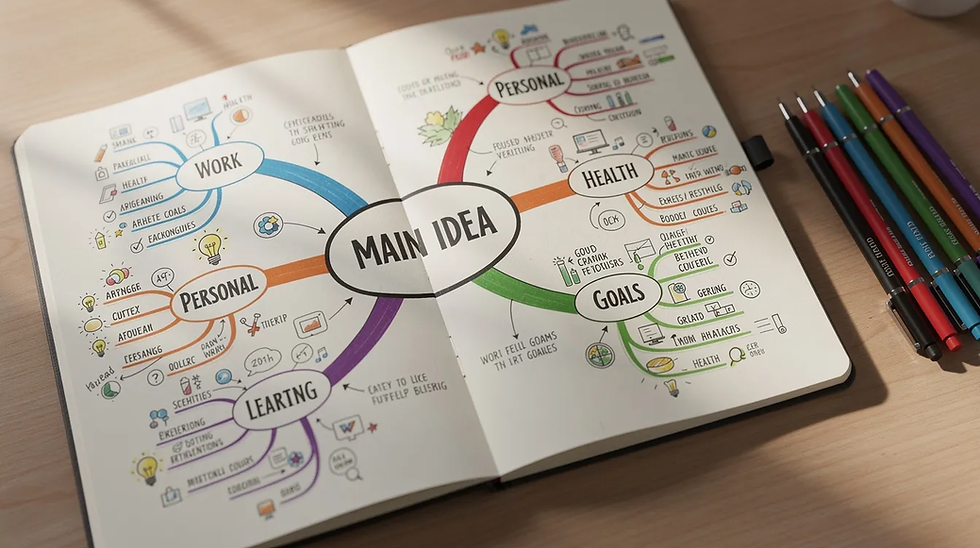
Mind mapping works well for big, interconnected topics like cellular respiration steps or historical causes. These visual tools promote deeper understanding of complex concepts by showing relationships between ideas.
Digital vs. Handwritten
Type during fast lectures to capture content
Handwrite for slower, conceptual courses
Combine: type during class, handwrite a synthesis afterward
Turn notes into flash cards, summary sheets, and quick practice questions. Create flashcards from definitions. Don’t let notes sit unused—transform them into active study materials that support your study skills.
Prepare for Tests: Day-to-Day Strategies and Exam-Week Plans
Effective study for exams starts weeks in advance with regular review, not just the night before. Spaced practice, or distributed practice, is one of the best ways to study complex material, encouraging students to study over an extended period instead of cramming the night before, which enhances retention.
3-4 Week Exam Plan
Timeframe | Activities |
Weeks 3-4 | Spaced practice reviews, light practice tests, generate self-made questions |
Week 2 | Mixed practice, focus on weak areas, increased practice test frequency |
Week 1 | Timed practice tests, review weak areas only, lighter load |
Think Like Your Teacher
Check learning objectives, old quizzes, and homework practice problems to predict question types. Note lecture content that received extended discussion—this often signals exam emphasis. Use past papers when available.
Create Your Own Practice Test
Combine problems, short answers, and definitions from notes and textbooks. Complete it under timed conditions. This helps with test anxiety by familiarizing you with pressure. Learn material actively through self-testing.
Day Before the Exam
2-3 short active recall blocks (20-30 minutes each)
One timed practice section
Stop by 7-8 PM to protect sleep
Get 7-8 hours of sleep (essential for new knowledge consolidation)
Day of Test
Spend 20-30 minutes reviewing flashcards or summary sheets. Do a 5-minute breathing exercise (box breathing: inhale 4 counts, hold 4, exhale 4, hold 4) to reduce anxiety.
Manage Motivation, Focus, and Stress While Studying
Motivation fluctuates—that’s normal. Systems and study habits matter more than willpower alone. Graduate school, college, or high school: these principles apply across all levels.
Set Small, Concrete Goals
“Study chemistry” is vague. “Finish 10 flashcards on acid-base chemistry” is concrete and measurable. Small goals create clear progress and make it easier to stay focused.
Reward Systems
After completing 2-3 Pomodoro cycles:
Short walks
A favorite snack
15 minutes of social media
Immediate rewards after task completion create stronger behavioral reinforcement for study performance.
Stress Management
Brief exercise before studying reduces cortisol
5-minute mindfulness or breathing sessions during regular breaks
Stretching during breaks addresses physical tension
Avoid Burnout
Schedule at least one no-study block weekly for complete rest. Vary study locations and formats to prevent monotony. Consider joining a study group for social accountability and shared explaining concepts.
Prioritize self-care activities like sufficient sleep, hydration, and nutrition to support cognitive function. Sleep is when academic performance gets consolidated—late-night cramming sacrifices this benefit. Consistent sleep timing beats all-nighters for long term retention.
Conclusion: Turning Study Techniques into Lasting Habits
Effective study comes from active techniques, smart planning, and a supportive study environment—not endless hours of passive review. Using strategies like spaced practice, active recall, the Feynman technique, and the Pomodoro technique leads to deeper understanding and less panic before exams.
Start small. Change just one or two habits this week rather than overhauling everything at once. Try one Pomodoro session with active recall today. Track what makes sense for your schedule and energy levels.
Mastering how to study now benefits more than your current grades. These study methods transfer to future professional development, career transitions, and lifelong education. The techniques work because they’re based on how human memory actually functions—not subject-specific tricks. For more tips on learning effectively, keep experimenting and refining your approach beyond 2026.
FAQs
How many hours should I study each day?
Ideal study hours vary by course difficulty and personal pace. Concrete ranges: 1-2 hours on lighter days, 3-5 hours during exam periods. Quality matters more than quantity—three focused Pomodoro cycles with active recall are more valuable than three distracted hours.
Track for one week how many focused minutes you actually achieve. Most students overestimate their focused time. Adjust your study schedule based on energy levels, course difficulty, and upcoming deadlines.
What if I feel my learning style doesn’t match the course?
Adapt materials to your preferences: turn text-heavy lectures into diagrams for visual learners, or record yourself explaining notes for auditory practice. Blend styles—listen to recorded summaries while walking, then draw a quick mind map afterward.
What should I do when a study method isn’t working?
Evaluate results after 1-2 weeks by looking at quiz scores, recall during self-testing, and confidence during practice tests. Change one variable at a time: switch from rereading to flashcards, or from long sessions to shorter Pomodoro blocks. Seek feedback from teachers, tutors, or a study group on how to adjust techniques. Sometimes implementation details matter—“doing practice problems” without properly diagnosing mistakes is far less effective than working through solutions carefully.
How can I study effectively if I have a part-time job?
Map fixed work hours first, then schedule shorter, high-intensity study blocks around those times. Keeping track of available time prevents wasted decisions. Use commute time for light tasks like listening to recorded summaries or reviewing flashcards (when safe).
The Pomodoro technique becomes especially valuable when time is limited. Planning 2-3 key tasks for each day in advance reduces stress and maximizes limited study time.
How do I stay focused in a noisy home?
Practical solutions: noise-cancelling headphones, white noise or instrumental playlists, and setting clear “quiet hours” with family or roommates. Background noise preferences vary—experiment to find what works.
Use libraries, campus study rooms, or quiet cafés for at least some sessions weekly if possible. Some students find that consistent background noise actually helps once they adjust. The goal is a stable routine and minimized interruptions, not perfect silence.
